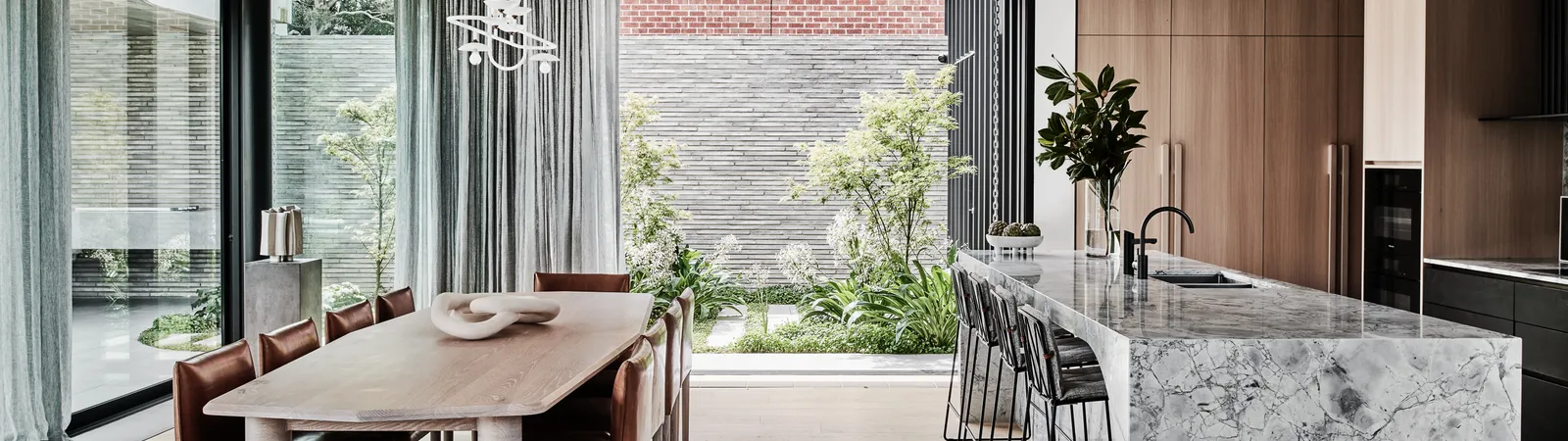
How to select the right architect in Melbourne
Choose the architect whose work matches your brief, not the one with the most striking portfolio. The fit between the practice and the project decides more than any single design move. Once the architect is appointed, the design intent and the documentation standard are largely set, which makes this the highest-leverage decision in the build.
I write this from a builder's view, having worked with sixteen architectural practices, from Archier to Pleysier Perkins. The projects that run most smoothly are the ones where the practice suited the brief before a line was drawn. What follows is how to find that fit.
Start with the brief, not the portfolio
A portfolio shows what an architect has built. It does not show whether the architect is the right fit for your project.
Before short-listing practices, write a short brief that captures three things. The kind of home you want to live in. The constraints you will work within (block, budget, planning, timeframe). The way you want to work with the design team.
That brief is the filter. Architects whose portfolio is impressive but whose practice style does not match the brief should be moved on.
What to look for in a portfolio
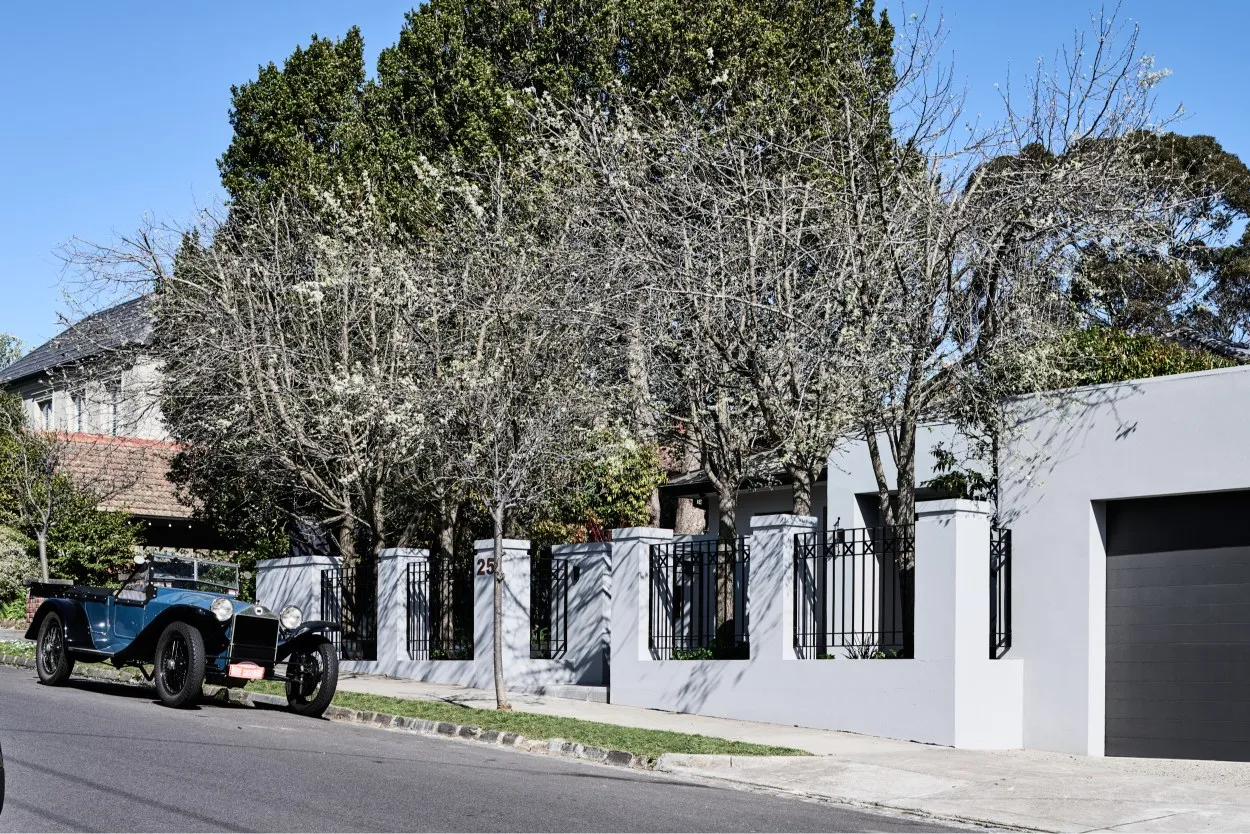
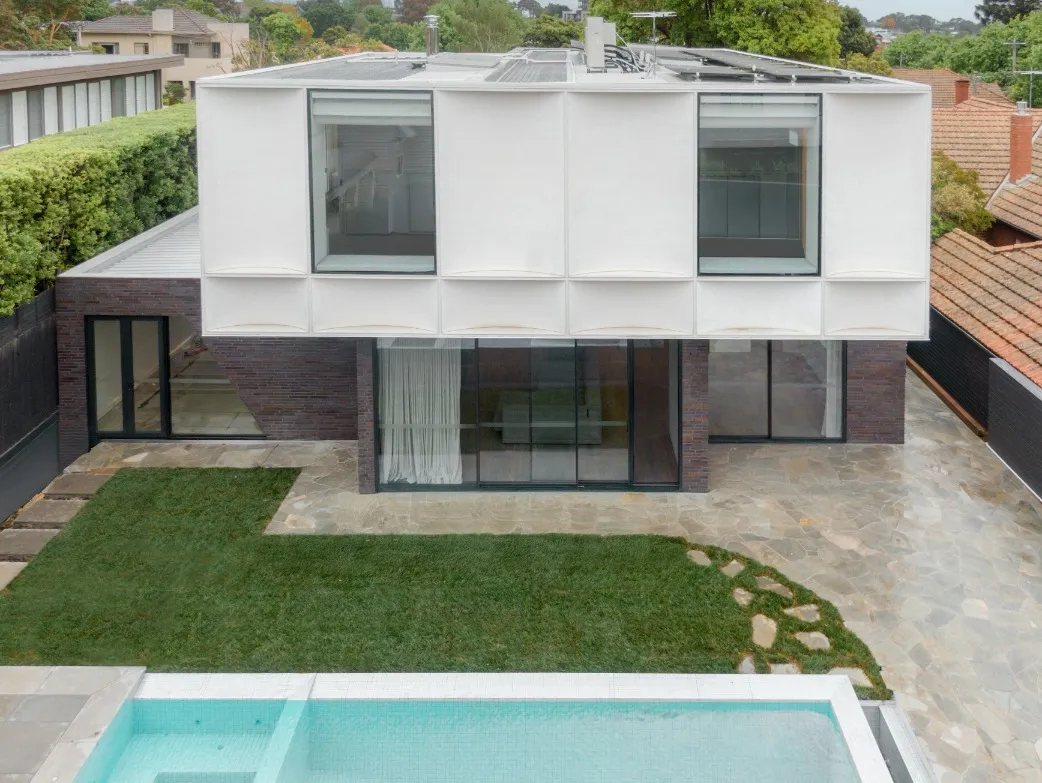
Look beyond the photographs. Read the project descriptions. Look at whether the practice has delivered projects of similar scale and complexity to yours. Look at whether their heritage work shows respect for the original house or whether the original is treated as raw material.
If you can, visit a completed project. The way the joinery sits, the way the doors close, the way light moves through the plan; none of these things photograph.
Documentation quality matters as much as design
A beautiful design that is poorly documented becomes a difficult build, a difficult build becomes an expensive build, and an expensive build damages the relationship between client, architect and builder.
Documentation quality is hard to assess from the outside. Ask the architect to show you the construction documentation set from a recent project. The thickness, the consistency, the way details are drawn and the way revisions are managed all tell you what to expect.
Communication discipline
The relationship with the architect lasts eighteen months or more on a typical Melbourne renovation. Communication discipline matters.
Ask directly:
- How quickly does the practice return phone calls? - Who in the practice will run your project, and how senior are they? - How are decisions documented? - How are variations to the design handled when they come up?
Three references is the minimum
Ask the architect for three client references and three builder references. Speak to all of them.
Ask the clients what they would do differently if they engaged the practice again. Ask what surprised them about the process. Ask whether they would work with the practice again on a future project.
Ask the builders what made the documentation easy or hard to work with. Ask whether the architect remained engaged through construction. Ask whether disputes were resolved professionally.
Style fit is real
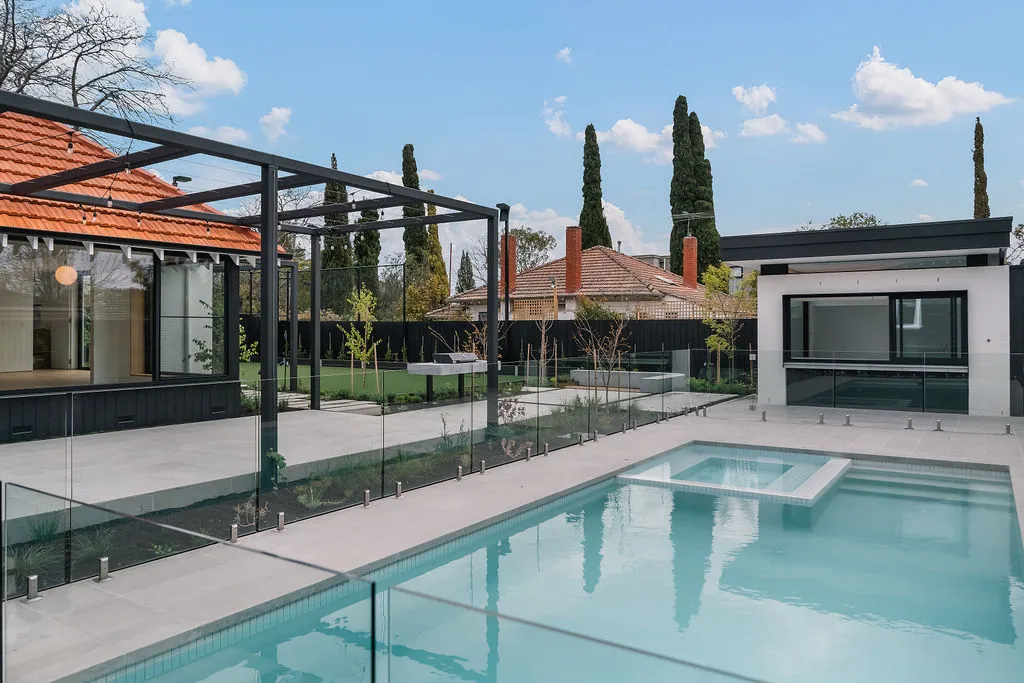
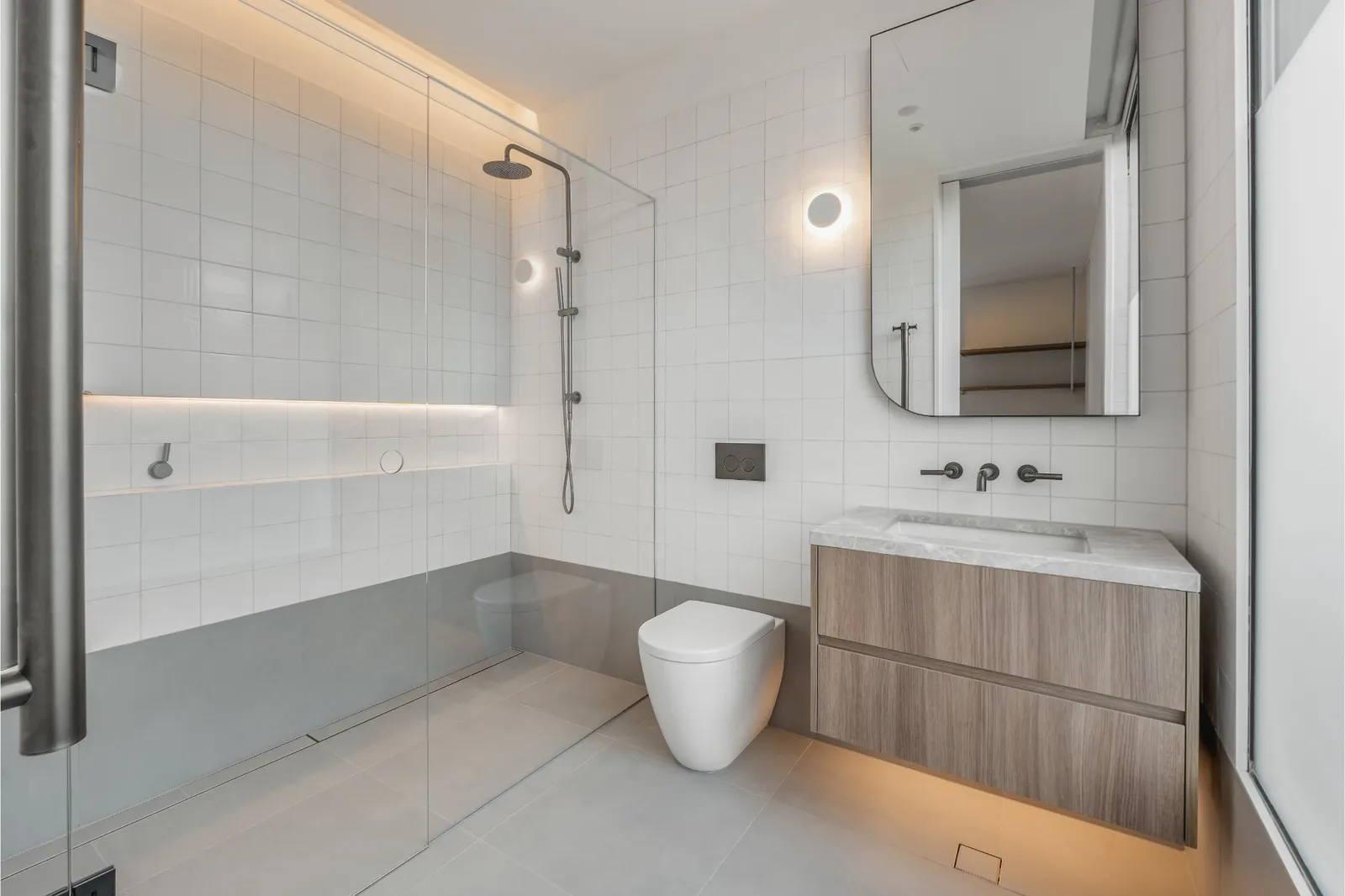
Some architects design contemporary homes. Some restore period homes. Some bridge the two. The style of the practice is not a value judgement, it is a fit question.
Spend time with the practice's recent work. If the homes the practice designs do not feel like the home you want to live in, the conversation should stop there regardless of how impressive the practice is in other respects.
The first meeting is a test
The first meeting tells you most of what you need to know. Four things to notice:
- Does the architect listen? - Does the architect ask the right questions about your life, not just your floor plan? - Does the architect describe the process clearly? - Does the architect speak openly about budget reality?
A good first meeting is one where you leave with more questions than you arrived with, not fewer.
What TCON looks for in an architect
TCON works with whichever architect the client engages. Where clients ask Tim for an informed view during the architect selection process, the criteria he applies are simple. Documentation that is buildable. A practice that stays engaged through construction. Honesty about budget. Respect for the trades that will carry the design into the world.
The strongest architect-builder relationships in TCON's experience are with practices that share these values. The work shows the difference.
Building with TCON
Considered architecture demands considered building. Building with TCON is a complete account of how TCON works. Available on request and reviewed personally by Tim before release.
Request a copy of Building with TCON.