
Negotiated tender
The tender that follows the work, not the tender that starts it.
Negotiated tender is the procurement pathway that typically follows the TCON Pre-Construction Program. It builds directly on the pricing, buildability and procurement work already done, rather than starting from a cold tender.

Why negotiated tender suits architectural work
Negotiated tender is recommended for most TCON projects because it is the procurement pathway that protects the work done during Pre-Construction. The pricing model, the procurement strategy, the buildability findings and the construction methodology developed across four to five pricing passes do not transfer cleanly to a builder who was not part of them. Competitive tender forces that transfer. Negotiated tender does not.
The objective of a negotiated tender is not to obtain the lowest number. It is to arrive at a contract in which scope, budget and program are aligned, with the builder accountable for what was priced.
How the process works
The negotiated tender follows the close of the Pre-Construction Program. At this point, the project has a developed pricing model, a procurement strategy, a construction methodology and a program. The negotiated tender formalises these into a contract document.
The work in this phase includes final trade package procurement against the design documentation, benchmarking of trade pricing where appropriate, review of inclusions, exclusions and assumptions with the architect and the client, and final contract alignment before execution. The pricing presented in the negotiated tender is built on the pricing work done across Pre-Construction, not assembled from scratch.
The contract the tender becomes
A negotiated tender usually resolves into a fixed-price contract. That is TCON's preference because it keeps the client and the budget on the same path.
TCON uses the Master Builders Association of Victoria (MBAV) contracts. HIC-7 is the fixed-price Home Improvement Contract for new homes, HIC-6 the fixed-price contract for renovations. DCP-2 is the cost-plus contract used where a client wants to stay closely involved and evolve the design through the build.
Under cost-plus, the client pays running costs plus an agreed builder's margin against a budget set at the start. TCON helps the client choose. The options are set out in full on Contract models.
Competitive tender, briefly
Competitive tender is available where the client requires it. It involves multiple builders preparing fixed price proposals based on completed architectural documentation. It can be appropriate where the design is highly developed and major decisions are finalised.
The limit of competitive tender on complex architectural projects is that the procurement pathway sits after design completion. Builder input during design is not part of the process. Where methodology, procurement timing or site constraints were not anticipated during design, the pricing returned can differ significantly from feasibility expectations. Builders submitting competitive tenders also price defensively against unknowns they cannot resolve through engagement.
TCON supports competitive tender where it is the right fit. For most architectural projects, the combination of the Pre-Construction Program followed by negotiated tender produces better cost alignment and fewer surprises.

How TCON delivers a negotiated tender
The tender is prepared by Simon Flood and the estimating team. Tim Walker reviews before submission. The negotiated tender is presented to the architect and client with full transparency on inclusions, exclusions, assumptions and any allowances. Contract negotiation is direct and documented. There is no surprise pricing, no late changes, and no exclusions that undermine the architecture.
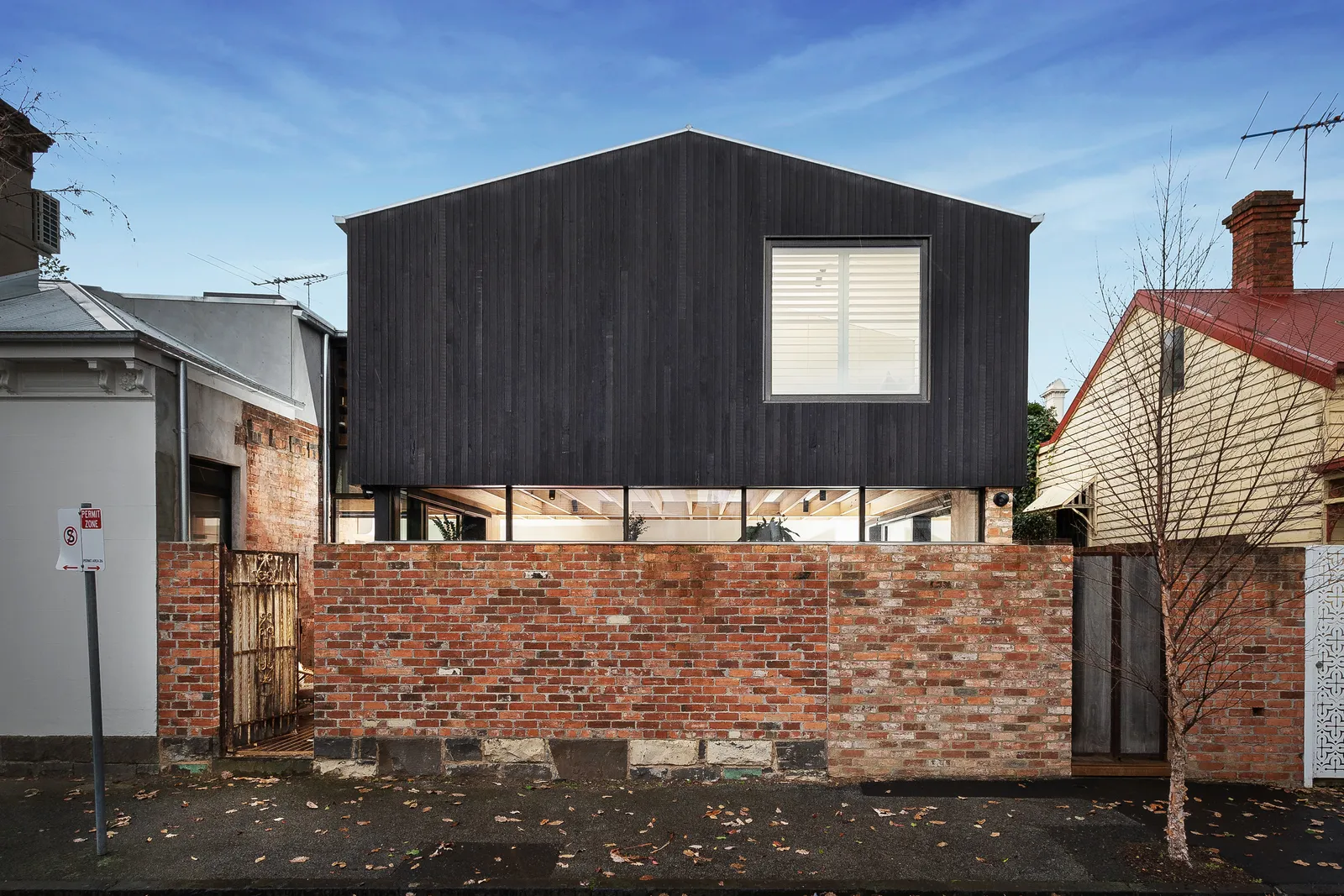
The published projects on this site, including Normanby House in Brighton with Pleysier Perkins, show the standard this model protects.
Building with TCON
Considered architecture demands considered building. Building with TCON is a complete account of how TCON works. Available on request and reviewed personally by Tim before release.
Request a copy of Building with TCON.
Related. Construction delivery, Contract models, What is a negotiated tender.