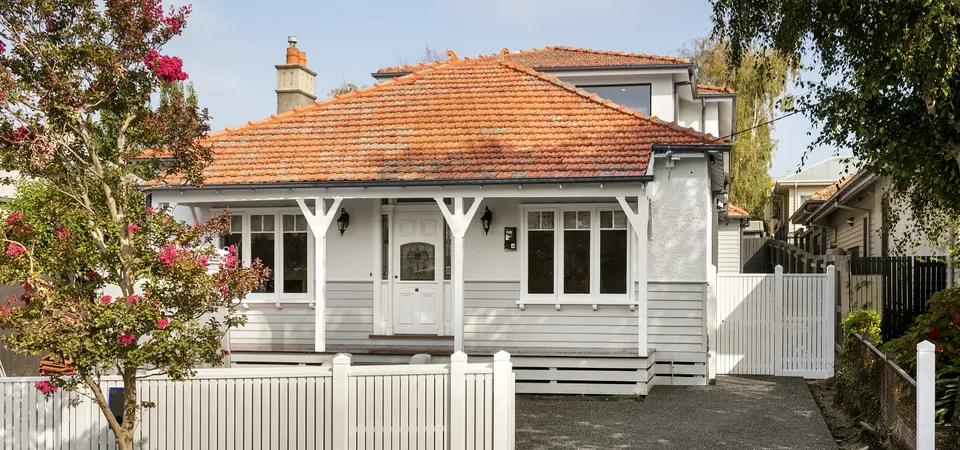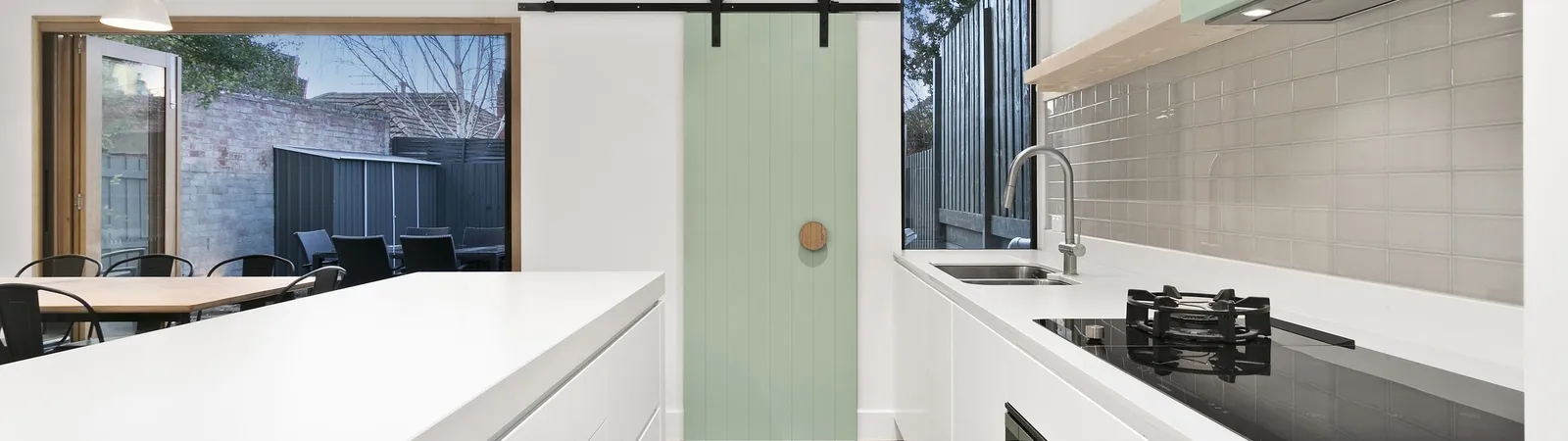
A feasibility study first, then a negotiated tender
Architectural projects go further when the builder is involved before the design is finalised. The best time to bring TCON in is before you choose your architect, or alongside that decision. If an architect is already engaged, the next best step is to bring TCON in early, while the design still has room to move.
The Program is built around the two things most builders cannot offer. TCON joins the project during design and carries it to a negotiated tender, rather than pricing finished drawings late. And before a client commits, TCON prepares a feasibility study against the concept design, so the decision to proceed is made with real numbers on the table.
In a traditional lump sum tender, the builder arrives after documentation, prices a fixed design in competition, and the first real conversation about buildability happens after the contract is signed. That is where budgets break. Early contractor involvement reverses the order: buildability and cost are resolved while the design can still move.
The TCON Pre-Construction Program is the structured early engagement that protects the design, the budget and the buildability of a project before construction begins. It is TCON's form of early contractor involvement, run with the architect and the client across the design program. It is not charged.
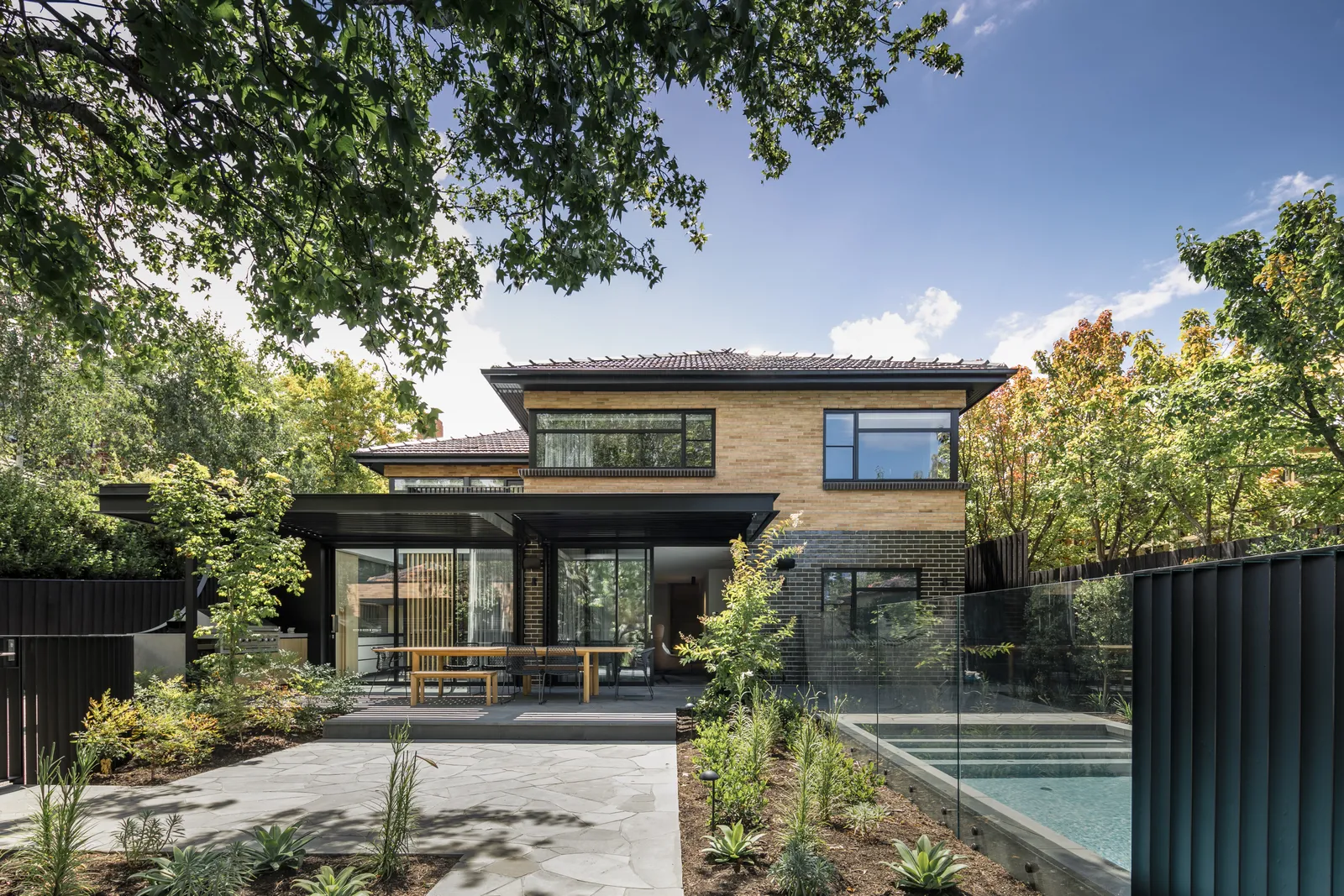
Why early builder involvement matters for architectural projects
Decisions made at concept and schematic design stage shape the buildability and the budget of an architectural project more than any decisions made later. A builder engaged at this stage can identify the construction risk, the sequencing challenges and the procurement implications while design remains flexible.
An architectural project accumulates commitments across design. Proportion, material, junction and detail become progressively harder to change the further design progresses. By the time documentation is issued for tender, the building has already been priced in by the decisions made at concept.
Early builder involvement moves these decisions from the construction phase to the design phase, which is where they belong. It is not a sales technique. It is how architectural projects stay resolved and deliverable, with budget alignment carried through from the start.
Who engages the Program
The Program is designed for projects where a builder belongs in the conversation before design is finalised.
Architects engage the Program at concept or schematic design stage to settle cost and buildability questions before documentation goes out for tender.
Private clients working with an architect engage when they want the build partner involved early, rather than selected through a race at the end of design.
Client-side advisors engage on behalf of clients managing complex briefs where early cost discipline and procurement planning change the outcome.
The common thread is that early involvement serves the project. The later a builder is brought in, the narrower the options for resolving a cost, program or constructability issue without compromising the design.
What the Program includes
Eight disciplines run in parallel across the design program. Each is documented. Each carries into tender.
Feasibility pricing at concept design stage. An initial cost envelope established against the architect's concept design, before town planning. Budget alignment at this stage prevents the most expensive kind of correction, which is one made after town planning submission. Even minor amendments at that stage can trigger resubmission and typically add three months.
Progressive cost refinement. Four to five pricing passes run across the design program as documentation develops. Each pass brings the cost estimate closer to contract value. TCON's feasibility pricing has historically landed within 10 per cent of the final contract sum.
Buildability review. Systematic identification of the construction risk, sequencing challenges and detailing decisions that drive cost or time. Issues are raised while design is flexible, not on site.
Procurement strategy. Long-lead items identified early and captured in the program. Stone, glazing, custom joinery and imported materials are ordered against the design timeline rather than the construction timeline, which is where most procurement risk crystallises on projects without early engagement.
Basement and substructure methodology. Where basements, retaining walls or complex substructures are in scope, the construction methodology is worked through during design. Excavation staging, waterproofing continuity, and services integration are planned before they become construction constraints.
Program advice. A realistic construction duration modelled against the architect's design program. Clients arrive at contract with an honest expectation of when the home will be ready to live in.
Value management. Where alignment with budget is required, scope, material and detail are reviewed systematically. The objective is always to protect architectural intent rather than dilute it.
Transition into negotiated tender. When design is resolved, the Program closes and the project transitions into a negotiated tender. The pricing model, procurement strategy and construction methodology built during Pre-Construction carry into tender without loss.
Who runs the Program
The Program is run by a team, not a single person. Simon Flood leads it day to day. Tim Walker is involved across every project.
Simon Flood is TCON's Estimating Manager and Pre-Construction lead. He owns the pricing discipline and the buildability review work across all projects in the Program. Every feasibility estimate, every pricing refinement and every procurement decision runs through him.
Tim Walker is involved across every project to ensure the work arriving at the construction team is ready to be built. His role in Pre-Construction is not ceremonial. It is how TCON knows that what is priced and planned is what will be built.
The two roles are named together because that is how the Program runs. No project sits with one person.
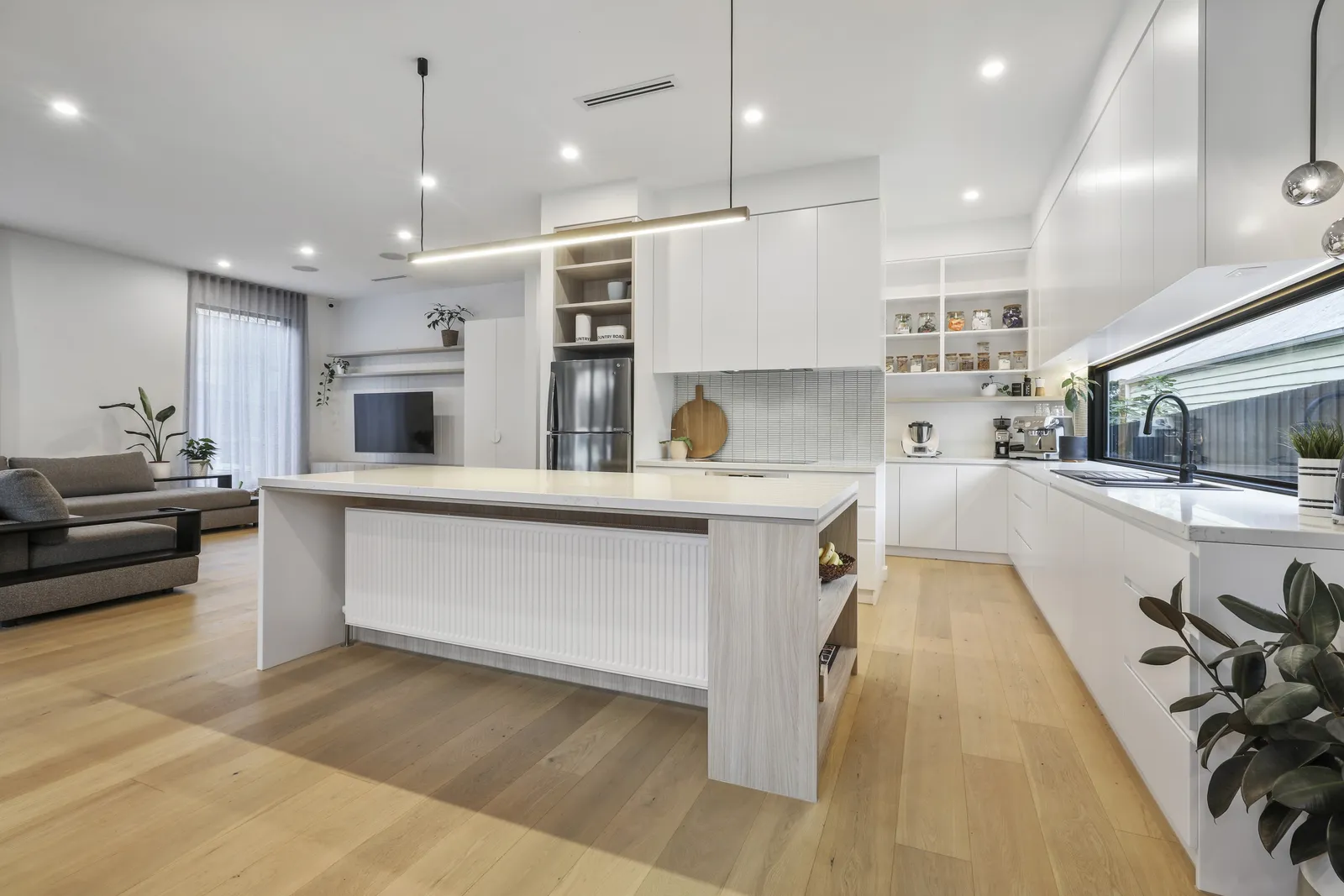
Early contractor involvement (ECI), and how the Program relates to it
Early contractor involvement, or ECI, is the methodology the Program is built on. The Program is TCON's productised, accountable form of ECI.
Early contractor involvement is the industry term for engaging a builder during the design phase of a project, before contract. In its raw form, ECI can describe anything from a paid consultancy to an informal conversation. What varies between builders is how structured the engagement is, how accountable the builder is for the advice given, and how the work done in ECI feeds into the eventual build.
The TCON Pre-Construction Program is the structured, accountable form of ECI. Pricing passes are documented. Buildability findings are captured. Procurement decisions are recorded. The work produced during Pre-Construction is the starting point for tender, not a parallel stream that has to be rebuilt.
If a project is a strong fit for early contractor involvement, the Program is TCON's answer to how that involvement is delivered.
How the Program transitions into construction
Negotiated tender is the typical pathway out of the Program. Competitive tender is available where the project calls for it. The Program is included when TCON is contracted as the builder.
By the time design is resolved, the Program has produced a pricing model, a procurement strategy, a construction methodology and a program. Negotiated tender formalises this work into a contract. The builder who has priced the project across four or five passes writes the final tender, benchmarks it where appropriate, and enters contract negotiation with the client and the architect.
Competitive tender is available where the client requires it. It is rarely the best commercial outcome for an architectural project because the intelligence built during Pre-Construction cannot transfer cleanly to a builder who was not part of it. The Program is structured so that either pathway is open at its end.
The Program is not charged. TCON carries the Pre-Construction work rather than billing for it. Tim's position is that the relationship comes first, built on rapport, trust and transparency, and that charges should not be made early. The thinking that gets a project ready to build is part of being your builder, not a separate invoice.
The 10 per cent alignment benchmark
The benchmark is the alignment between the first feasibility estimate, produced at concept design stage, and the eventual contract sum once design is resolved.
Across TCON's Pre-Construction work, feasibility pricing has historically landed within 10 per cent of contract value. The alignment is not a promise on every individual project. Some projects move further during design because scope expands, or because the architect and client choose to invest in elements that were not priced originally. The 10 per cent figure reflects what the discipline produces when the brief and scope remain consistent across the design program.
For architects and clients evaluating whether to engage early, the benchmark is what the Program is for. Budget alignment before town planning. Cost discipline carried through to tender. A feasibility number that can be relied on.
Frequently asked questions
No. The Pre-Construction Program is not charged. Tim prefers not to make charges early, because the relationship is built on rapport, trust and transparency, so the early work is carried as part of being your builder.
The earliest meaningful entry point is concept design stage, when the project has direction but the decisions that shape cost and buildability are still open. Schematic design is the other common entry point. By the time documentation is underway, the Program still has value, but its most powerful work is already behind the project.
Architectural projects with real design complexity benefit most.
Heritage renovations under overlay. New architectural homes with custom detailing, specialist materials or complex site conditions. Basement integrations into existing homes.
Projects where the architect is committed to architectural intent and wants the build partner working towards it from the start.
The Program is structured so that either outcome is open at its end. The work produced during Pre-Construction belongs to the project, not to TCON. Where a project moves to competitive tender or to a different builder, that is the client's decision to make.
The duration follows the architect's design timeline. A new architectural home in pre-tender design might run the Program across four to six months. A heritage renovation through town planning, with documentation to follow, can run the Program for twelve months or more.
Early contractor involvement is the methodology. The Program is TCON's productised form of ECI. They describe the same underlying discipline, but the Program is a specific, structured version of it, run by a team, against a documented process, with accountable outputs.
Rosedale in Glen Iris, a new architectural residence with Webster Architecture and Interiors, was resolved through this program before construction began.
A negotiated tender is a procurement path where the client and builder agree the contract sum together, line by line, rather than running a blind price race between competing builders. Because TCON has been at the design table through the Program, the tender is built on documented pricing the client has watched develop, with the detail open to scrutiny. Competitive tender remains available where a project calls for it.
Decisions made at concept and schematic design shape the buildability and the budget of a project more than anything decided later. A builder engaged at that stage can resolve cost, program and constructability questions while the design can still move. A builder engaged after documentation can only price what is already fixed. Early contractor involvement is the industry name for the first approach, and it is the methodology the Program is built on.
The feasibility study is prepared at concept design stage, before a client commits. It establishes an initial cost envelope against the architect’s concept design, grounded in current trade pricing rather than historic rates. It is the first of the disciplines that run in parallel through the Program, each documented and each carried into tender, and it is the number the 10 per cent alignment benchmark is measured against.
Building with TCON
Considered architecture demands considered building. Building with TCON is a complete account of how TCON works. Available on request and reviewed personally by Tim before release.
Request a copy of Building with TCON.
Related. Our process, Contract models, Capability.